
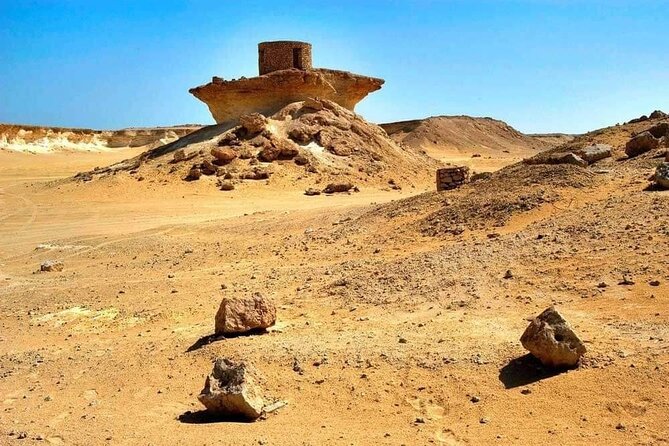
Reviewed · HISTORICAL TOURS
Full Day Qatar’s North And West tour || History & Heritage
Qatar’s best day outside Doha is a long sweep through old ports, empty desert, ruined villages, camel country, and one of the Gulf’s most surprising art installations. The highlight for me is the contrast: you move from Al Khor’s fishing harbor to quiet mangroves, then from an old trading settlement to giant steel plates rising from the desert.
I like the small maximum of six people, which gives the guide room to adjust the pace. I also like the range of stops, especially Zubara Fort and East-West/West-East, Richard Serra’s enormous sculpture in the Brouq reserve. The drawback is clear: there is a lot of driving, and some stops are modest rather than spectacular.
Key points to know before booking
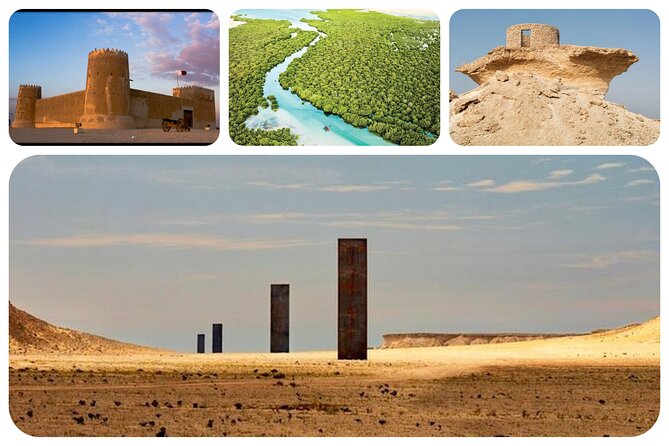
- Eight very different stops: You visit fishing towns, mangroves, an archaeological site, an old village, a camel track, ruined fortifications, and a major desert artwork.
- A long day with serious road time: The tour lasts about 6 to 8 hours, so it suits you if seeing the wider country matters more than a relaxed pace.
- Small groups help: The vehicle holds no more than six people, and guides such as Abdullah, Junaid, Noor, Sajid, and Syed have adjusted time and stops for individual interests.
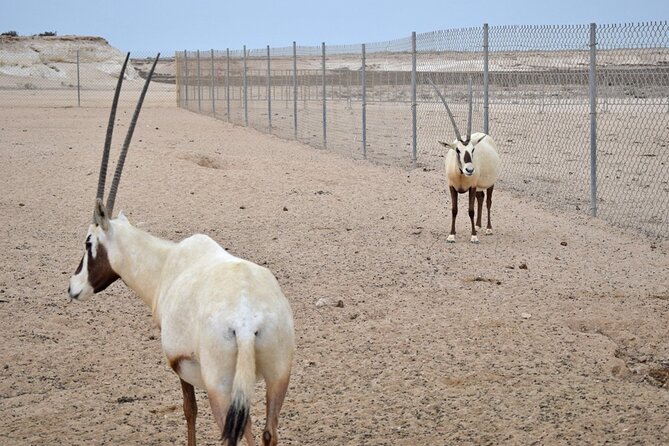
- The camel stop is not guaranteed entertainment: You may see training, but at times you may only pass the track or drive beside it.
- Lunch is not included: Bring snacks, and plan around the fact that the day covers a wide area.
- An early start can change the day: Some departures have begun around 5:00 am, allowing time for sunrise near the rock formations and early camel training.
Why this tour is different from a Doha sightseeing day
Doha gives you museums, towers, markets, and polished waterfront views. This excursion shows the Qatar that existed before the modern capital grew so quickly. You see the old economy of fishing, pearl gathering, trade, and camel breeding, along with the spare desert setting that still defines much of the country.
The route covers both the north and west, so it is not a slow, single-region outing. You are crossing a large part of Qatar in one day. That makes the tour useful if you have limited time, but it also explains the long stretches in the vehicle.
The current rating is 4.9 from 229 ratings, with 97 percent recommending the experience. That is a strong result, but the lower scores point to the main risk: if you need constant activity or grand monuments, the day can feel like too much driving for too little reward. If you enjoy seeing how a country fits together, the broad route makes much more sense.
More heritage days in Doha:
- Desert Safari + History to Modern City Tour
★ 5.0 · 174 reviews - From Doha: Culture & History Qatar Tour to the North & West
★ 5.0 · 51 reviews - 8-Hour Private Cultural Tour
★ 5.0 · 47 reviews
Al Khor begins with Qatar’s old sea economy
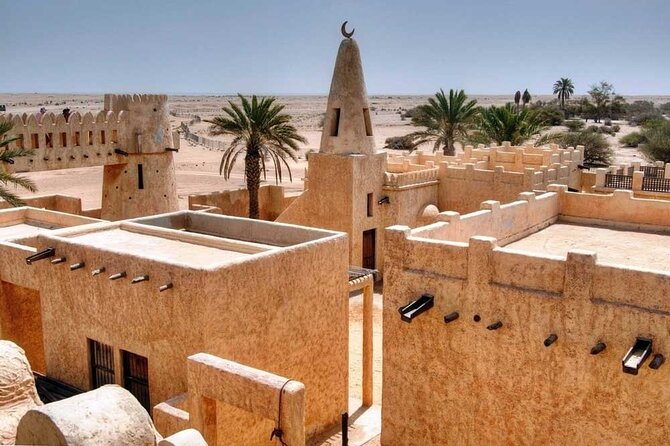
Al Khor sits about 50 kilometres north of Doha. Its Arabic name refers to its position on three sides of the sea, and the town is older than Doha, though much smaller today.
Your first look is usually tied to the harbor and waterfront. Traditional fishing dhows recall the days when Al Khor served as a major center for fishing and pearl gathering. A corniche leads toward mangrove areas, and a museum covers fishing, pearl work, and dhow construction.
You get about 30 minutes here, with no admission charge. That is enough for a quick look at the harbor and a taste of the town’s past, but not enough for an extended museum visit or a leisurely waterfront walk. I would treat Al Khor as an opening chapter rather than the day’s main attraction.
Some versions of the route also include a commercial fishing marina or fish market nearby. That can add useful local color, though it is practical rather than polished. If you dislike fish markets or working ports, this part may not hold your attention for long.
Al Thakhira’s mangroves bring a welcome change
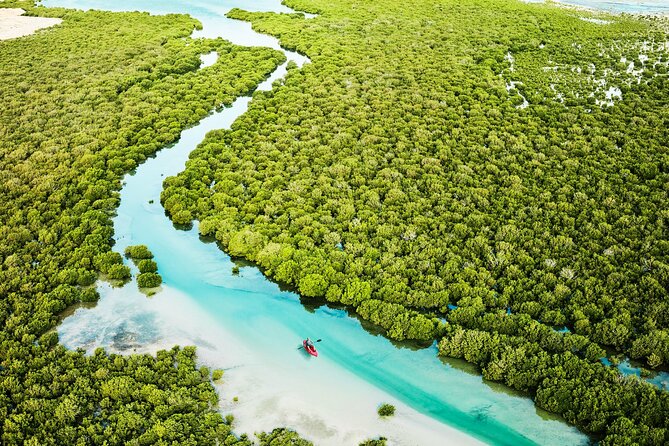
At Al Thakhira Beach, the setting shifts from harbor activity to a coastal habitat. The mangroves provide shelter for birds, fish, and other animals, while also helping protect the shore from erosion.
You have roughly 30 minutes here. That is enough to see the mangrove colony and understand why this area matters, but do not expect a long boat trip or a full nature excursion. The attraction is the contrast between salt water, low vegetation, and the surrounding dry country.
This is one of the tour’s more meaningful stops because it shows that Qatar’s natural story is not only sand and rock. The mangroves are a working environmental resource. I appreciate having this quieter pause before the historical sites farther north.
Purple Island adds a prehistoric and coastal feel
Bin Ghannam Island, better known as Purple Island, lies near Al Khor in the northeast. It is known for its natural setting, plants, and wildlife, and it is presented as a family-friendly place for a day out.
You spend about 40 minutes here. The name points to the island’s association with the old production of purple dye, though the supplied tour details do not promise a specific demonstration or archaeological talk. Think of this as a short outdoor stop, not a fully guided museum visit.
The value comes from seeing another side of the coast. After the harbor and mangroves, Purple Island helps you connect the old economy to the wider shoreline. Still, the site may feel understated if you expect a dramatic monument. Your guide makes a difference here, especially if they explain the local setting rather than simply letting you out for photographs.
More full day trips in Doha:
- Private Full Day Desert Safari
★ 5.0 · 392 reviews - Full Day Tour to Qatar North And West With Pickup From Doha
★ 4.9 · 371 reviews - Full Day Tour to Qatar North And West With Pickup From Doha
★ 5.0 · 288 reviews - Doha : Full Day Desert Safari | BBQ Dinner | Inland sea
★ 5.0 · 164 reviews
Zubara Fort is the historical anchor
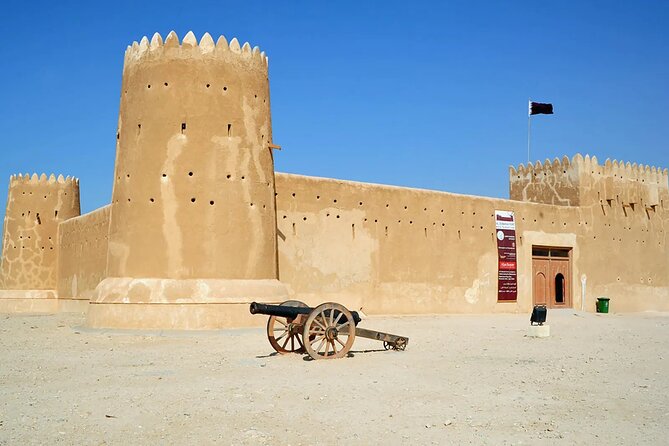
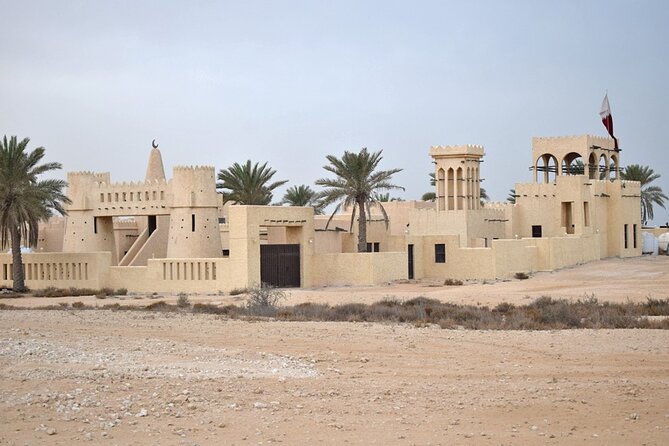
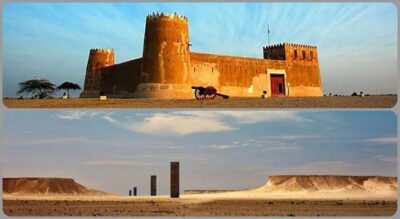
Zubara Fort is the clearest historical centerpiece of the day. Built beside the remains of an older fort, it recalls Al Zubarah’s former role as a port and center for trade, fishing, and pearl gathering.
The site is Qatar’s first UNESCO World Heritage Site. That designation reflects the wider archaeological area, not just the fort itself. The old settlement and surrounding remains show how a coastal town once operated before modern Qatar took shape.
You have about an hour here, and admission is free. The renovated fort displays artifacts found through archaeological work led by the Qatar Museums Authority and an international team of specialists. You can expect a more structured cultural visit than at the smaller ruins.
The fort is also useful for understanding the dangers and demands of the old pearl economy. Guides may connect the buildings and artifacts to the people who worked along the coast. From one of the towers, you may even see Bahrain on a clear day, an unusual detail that gives the far northern setting extra interest.
For me, this is the stop that justifies the heritage label. It has a clear historical story, a recognized site, and enough time to look around without rushing. Even so, the wider archaeological area is sparse. You need to value ruins and context, not expect a preserved medieval town with streets full of buildings.
Al Jumail shows a village left behind
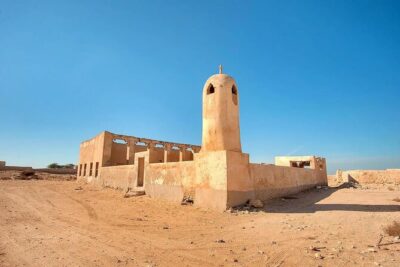
Al Jumail is an old fishing and pearling village. Its abandoned houses and remains offer a direct look at the kind of settlement that supported Qatar’s coastal economy.
You spend around 30 minutes here. This is a compact stop, and much of its appeal comes from imagining daily life among the old structures rather than from a long list of intact monuments. The village is especially useful after Zubara because it shifts the focus from a formal fort to ordinary homes and community life.
The old buildings use materials associated with traditional Qatari construction, including limestone and mud. That detail helps you picture how people built for the climate and available resources. The preservation work also raises an important point: much of Qatar’s older built heritage survives as fragments, so patience and a good explanation matter.
Ash-Shahaniyah offers a chance to see camel training
The camel racing stop can be one of the day’s liveliest moments, but it depends heavily on timing. You spend about 30 minutes viewing the track while camels are under training.
Some departures have reached the area early enough to see groups of camels arriving for morning practice. One guide, Junaid, even drove around the track while camels and their handlers moved through the training area. That can turn a simple roadside stop into a memorable glimpse of a sport that remains part of Qatari life.
Do not book this tour solely for a guaranteed race. Training schedules vary, and one account describes only driving alongside the track without seeing a camel. The stop may be more observational than interactive.
An early departure improves your chances. A start around 5:00 am has also allowed time for sunrise near the western rock formations before reaching the camel area around 8:30 am. Confirm the planned start time when booking, since the supplied details do not promise one fixed departure hour.
Zekreet Fort ruins sit among stark rock
Zekreet Fort is one of Qatar’s few historic sites built in two separate construction phases. That makes it more than a simple pile of old stones, though you will want your guide to explain what changed between the phases.
You have about 40 minutes at the ruins. The fort itself may not satisfy you if you want a large, restored building. Its appeal is the setting, the layered construction, and the way the ruins fit into the western part of the country.
The Zekreet Peninsula also brings limestone formations and unusual rock shapes. The famous umbrella-shaped rock is a popular subject for photographs, and other formations include mushroom-like shapes and what has been called the Eye in the Rock. These sights are among the best reasons to choose an early start.
The route can feel more adventurous here, especially when the vehicle leaves the main road for the rougher desert approaches. One comment refers to dune driving and reaching the inland area, but the exact driving style is not guaranteed. Think of this as a desert outing connected to heritage, not a dedicated off-road safari.
Richard Serra’s sculpture changes the scale of the desert
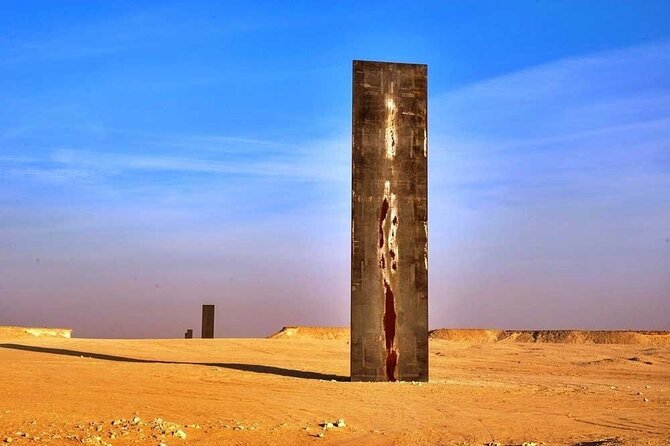
East-West/West-East is the modern surprise of the day. Richard Serra’s work uses four steel plates, each more than 14 metres high, placed across a stretch of more than a kilometre in the Brouq nature reserve.
The plates are aligned with the natural contours of the ground. Their size becomes clear only when you stand near them. The empty space between each piece is part of the experience, and the work changes as you move along the route.
You have about 35 minutes here. That is enough for photographs and a first sense of the scale, though you could easily spend longer if you like contemporary art or stark desert settings. This was the highlight for several people who took the tour, and I can understand why. After old forts, fishing ports, and village ruins, the steel forms make the same open country feel deliberate and almost architectural.
This is also where the tour feels most distinct from a standard heritage outing. You are not just looking backward. You are seeing a modern artist respond to Qatar’s terrain without filling it with buildings.
The vehicle, guide, and group size matter
The tour includes an air-conditioned vehicle, bottled water, coffee or tea, and insurance. Those basics matter in Qatar, especially during a day that crosses exposed coastal and desert areas. Lunch and snacks are not included, so take food with you or ask in advance about the day’s meal arrangements.
The maximum group size is six. That is small enough for direct conversation and easier timing at short stops. Guides named in the supplied information include Abdullah, Adil, Junaid, Noor, Sajid, Syed, Abdul Nasir, and Zohaib. Experiences can vary by guide, but the strongest accounts describe flexible pacing, clear explanations, and extra stops when time allowed.
Sajid, described as Qatari, answered detailed questions about local culture and the country’s past. Junaid was praised for making the camel training visit more active. Abdullah was described as especially accommodating, while Noor added extra tea stops and explanations along the way. These examples show why your guide can shape the day as much as the sights do.
There was also a report of a vehicle breakdown and another of a missed pickup followed by difficult contact with the company. Those problems do not define every departure, but they are worth keeping in mind. Confirm your pickup details before the day and keep the provider’s contact information handy.
Is $165 a fair price?
At $165 per person, this is not a cheap half-day outing. The price makes more sense if you want transport across a wide area, a small group, a guide, and several otherwise awkward-to-reach sites in one day.
You are paying for coverage rather than luxury. The tour combines the north and west, includes an air-conditioned vehicle, and provides water, tea or coffee, and insurance. Admissions at the listed stops are free, so the main value lies in transport, time management, and interpretation.
For one person traveling alone, the value can feel poor, especially if the booking price rises because there are no other participants. One account describes paying four times the advertised starting rate when alone. Ask how the price is calculated for your date and group size before you commit.
The tour makes better financial sense for couples, families, or small groups who want to see a lot of Qatar beyond Doha in one day. Group discounts are offered, so larger bookings may improve the per-person value.
Who should book this day?
I would choose this tour if you want to understand Qatar beyond its capital and you are comfortable with long drives. It suits you if old villages, archaeological remains, coastal ecology, desert rock, and public art all sound worthwhile in the same day.
It is also a good fit for a short Doha stay. A city tour can show you modern Qatar, while this route adds the older coastal economy and open western country. Some people combine it with a Doha city outing and a desert safari on separate days.
I would hesitate if you need a slow pace, a guaranteed camel encounter, or a full meal break built into the schedule. I would also hesitate if small ruins and wide open scenery do not interest you. The tour has strong variety, but not every stop is a major attraction.
The experience requires good weather. If poor weather cancels the day, you are offered another date or a full refund. You can cancel for a full refund up to 24 hours before the start time, but cancellations and changes inside that window are not accepted.
Final verdict: a broad, worthwhile day with one clear warning
Book it if your goal is to see more of Qatar, not simply collect famous monuments. Zubara Fort, the old villages, Al Khor’s harbor, and the mangroves give the day a real cultural thread, while the Zekreet rocks and Richard Serra’s steel plates keep it from feeling like a string of museums.
Skip it if you dislike road time or expect every stop to be dramatic. At $165, the tour needs the full route and a good guide to feel worthwhile. Ask about pickup, group size, departure time, lunch arrangements, and the chance of seeing camel training. With those details clear, this is one of the better ways to place Doha inside the wider story of Qatar.
FAQ
How long does the North and West Qatar tour last?
The experience lasts approximately 6 to 8 hours.
How many people can join the tour?
The maximum group size is six people.
Is pickup available?
Yes, pickup is offered.
Is lunch included?
No. Lunch and snacks are not included, so plan accordingly.
What is included in the tour price?
The price includes an air-conditioned vehicle, coffee or tea, bottled water, and insurance.
Can I cancel for a full refund?
Yes. You can cancel at least 24 hours before the local start time for a full refund. Cancellations or changes made less than 24 hours in advance are not accepted, and poor-weather cancellations offer either another date or a full refund.
Just added in Doha
- Doha: Night Desert Safari With Stargazing and Inland Sea★ 5.0 · 9 reviews
- From Doha: Private West Coast and Camel Race Track Tour★ 4.7 · 4 reviews
- Doha-Private half day safari Sunrise/Sunset★ 5.0 · 6 reviews
- Private Wakesurfing or Wakeboarding along Doha’s skyline★ 5.0 · 3 reviews
- Doha: West Coast Tour Sculpture,Camel Racing Track Rock Formation★ 5.0 · 3 reviews
- Doha : West Coast Tour on Zekreet Peninsula★ 5.0 · 15 reviews
- Private Dunes Bashing | Desert Safari | Sand Boarding★ 5.0 · 5 reviews
- Doha Night Desert Safari Adventure★ 5.0 · 11 reviews
Historical Tours, compared.

Culture & History Qatar Tour to the North & West
Read our review →
Doha Combo a Rich Heritage from the Desert to the City
Read our review →
Full day City and North Qatar tour | History and Heritage
Read our review →
Combo Culture & Adventure: North Qatar Heritage & Desert Safari
Read our review →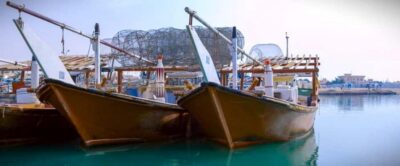
Browse the lists this tour appears in