
Reviewed · WEST COAST TOURS
Doha: Explore the North and West of Qatar With Transfers
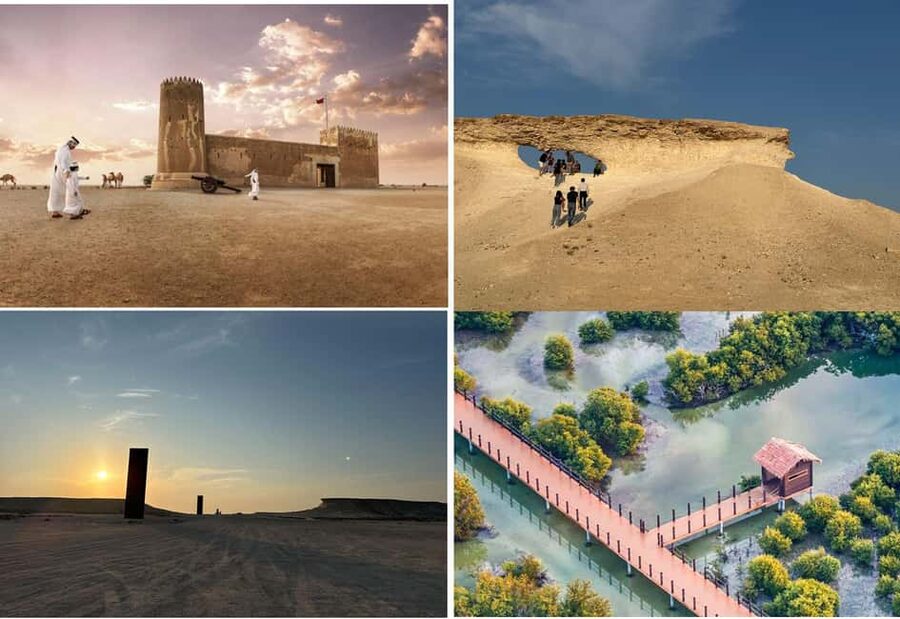
Qatar’s best contrast arrives when you leave Doha. This seven-hour 4×4 tour moves from Al Khor’s fishing harbour and Purple Island to a UNESCO-listed fort, stark desert rock, a giant Richard Serra sculpture, and camel racing at Al Shahaniya. It is a lot of ground, but that is the point: you see several very different sides of the country in one day.
I especially like the mix of old Qatar and modern art, plus the small-group format, limited to 12 people. Guides including Arum, Aram, and Muzzi have been praised for clear storytelling and friendly driving. The main drawback is pace. Several stops are short, and the long road sections mean this is better for broad coverage than a slow, quiet visit at every site.
Key points at a glance
- Camel racing closes the day: Al Shahaniya offers a look at one of Qatar’s most distinctive sporting traditions.
- Purple Island adds nature: Mangroves, coastal paths, and birdlife break up the long desert drives.
- Zubara Fort gives the history real focus: You visit a UNESCO World Heritage site tied to trade and Qatar’s past.
- Richard Serra changes the mood: Four enormous steel slabs make the desert feel almost otherworldly.
- A 4×4 is essential to the route: Air conditioning matters during the drive between northern and western Qatar.
- Karak tea and water are included: You only need to arrange your own meal.
Leaving Doha for Qatar’s quieter north
Hotel pickup in Doha begins a full day on the road. The vehicle is an air-conditioned 4×4, and the group can include up to 12 people. That is small enough for a more personal guide, though it is not a private tour.
The first drive takes about 40 minutes toward Al Khor. This is useful context for the whole outing: Doha is polished, dense, and modern, while the north and west show older industries, open desert, coastal wetlands, and scattered settlements. Your guide is expected to provide the connecting story, not just point out photo stops.
Guides named Arum, Aram, and Muzzi have been singled out for making the history clear and engaging. Since the guide assigned to you can vary, I would treat those names as examples rather than a promise. Still, the repeated praise for the guiding style is important here. Without explanation, some of the ruins and rock formations can look like simple roadside stops.
More west coast days out of Doha:
- From Doha: Day Trip to North And West Qatar With Pickup
★ 4.9 · 336 reviews - Qatar West Coast tour to Richard Serra Sculpture and Mushroom Rock Formation
★ 5.0 · 153 reviews - Qatar West Coast tour, Zekreet, Richard Serra Sculpture, Mushroom Rock Formation
★ 5.0 · 150 reviews
Al Khor Harbour and Qatar’s fishing past
Al Khor Harbour is a gentle start. You pause for about 20 minutes to look across the water and learn about the town’s fishing heritage. The harbor gives you a useful reminder that Qatar’s identity was shaped by the sea long before oil and high-rise development changed the country.
This is mainly a photo and orientation stop, not a long harbor walk. If you want a major attraction with displays and formal interpretation, this will feel brief. I like it because it sets up the day’s central idea: Qatar is not only Doha, shopping malls, and new architecture.
The calm waterfront also provides a welcome change after the drive. You can take in the setting, hear the guide explain the traditional economy, and then continue before the day becomes too slow.
Purple Island, mangroves, and a short coastal walk
Purple Island is one of the more pleasant nature stops. The visit lasts roughly 30 minutes and includes a guided walk along quiet paths near mangroves. The area is known for coastal plant life and wildlife, so this is the part of the day to watch for natural details rather than grand buildings.
The name refers to the island’s past connection with purple dye production, though the experience described here is chiefly about the coast and mangrove setting. The scenery is low and open, with water, mudflats, and scrub rather than dramatic cliffs. That modest scale is part of its appeal.
Wear shoes you can walk in and bring sun protection. The tour includes bottled water, and traditional karak tea is also provided, but food is not included. The half-hour visit is enough for a taste of the area, not a full nature excursion. If you enjoy birds, plants, and quiet shorelines, you will probably value this stop more than someone focused only on monuments.
Zubara Fort and the story of trade
After another drive of about 40 minutes, the tour reaches Zubara Fort. Plan on about an hour here, making it the most substantial historical stop. Zubara is a UNESCO World Heritage site, and the fort once served a settlement connected with regional trade.
The fort’s simple, sturdy form works well against the surrounding desert. Inside and around the site, your guide can explain Qatar’s earlier trading networks, the importance of coastal settlements, and the work involved in protecting such a place. This is where a good guide makes a real difference. The walls alone do not tell you much, but the setting becomes meaningful once you understand why the settlement mattered.
I would not expect a large museum experience or a dense program of indoor exhibits from this stop. The value is in seeing the fort in its wider setting and placing it within Qatar’s pre-modern story. You get time for photographs and a proper visit, but the schedule still keeps you moving.
For readers interested in archaeology, trade, or older Gulf settlements, Zubara may be the day’s strongest stop. It gives the tour a firm historical center between the coastal nature visit and the western desert sites.
A completely different sort of day out of Doha:
- Doha: Safari, ATV, Camels, Sandboarding and Inland Sea Tour
★ 4.8 · 5,291 reviews - Doha: ATV, Quad/Buggy Dune Bashing, Camel Ride, Sandboarding
★ 5.0 · 3,784 reviews - Desert safari, Dune bashing, sandboarding, camel, ATV Option
★ 5.0 · 2,826 reviews - Qatar Gold Dune Safari, Dune Bashing,Camel Ride,Sand Boarding,Inland Sea Desert
★ 5.0 · 2,807 reviews
Zekreet’s rock formations and open desert
The route then turns west, with another transfer of about 40 minutes. The scenery changes sharply. Instead of a harbor and low coastal vegetation, you see pale rock, open sand, and unusual limestone shapes.
The Zekreet rock formations are a strong photo stop. Wind and erosion have shaped the stone into forms that rise abruptly from the flat desert. The appeal is visual and immediate, but the guide can add the geological and local context that makes the stop more than a quick picture.
You should expect uneven ground and exposure to the sun. The itinerary allows about 30 minutes for a visit and guided sightseeing, enough to walk around and take photographs without turning the outing into a long hike. This is not a technical off-road adventure, but the 4×4 makes sense for a route that links scattered western sites.
The rock formations are also a good counterpoint to Zubara Fort. At the fort, people shaped the setting through trade and construction. Here, natural forces provide the drama. The change keeps the day from feeling like a string of similar historical ruins.
Zekreet Village and the fort ruins
The tour continues to Zekreet Village, a small settlement with traditional buildings and historic remains. The planned visit lasts about 30 minutes. It is a quiet stop, useful for seeing how older rural life looked away from Doha’s modern center.
Do not expect a preserved town with a long row of intact buildings. The attraction is the atmosphere and the scattered remains. You may find the village more rewarding if you pay attention to the relationship between the structures and the empty desert around them.
The itinerary also includes a brief stop of about 10 minutes at Zekreet Fort Ruins. That timing tells you what to expect: a compact look and photographs rather than a long exploration. The ruins may be less impressive on their own than Zubara Fort, but they add another piece to the area’s story.
This part of the day can feel rushed if you want to examine every stone. I see it instead as a broad introduction to western Qatar. You are sampling several locations that would be difficult to connect without a vehicle and a guide.
Richard Serra’s East-West/West-East in the desert
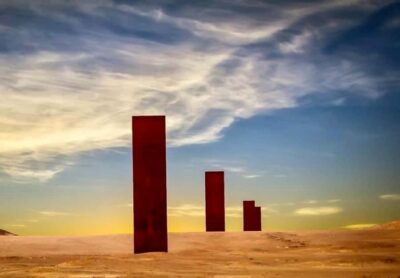
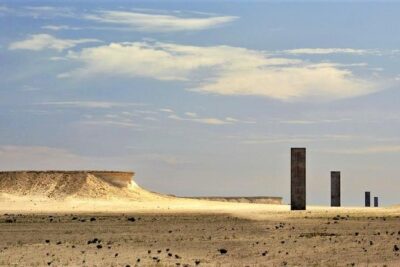
The most striking modern stop is Richard Serra’s East-West/West-East. Four huge steel slabs stretch across the desert near Zekreet. Their scale becomes clear only when you stand among them. People look small beside the plates, and the empty setting gives the work much of its force.
You receive about 30 minutes to walk around, take photographs, and consider the relationship between the sculpture and the desert. This is not a gallery visit. There are no rooms, labels, or city noise to frame the work. The distance between the slabs and the openness around them are part of the experience.
You do not need to be an art specialist to appreciate the installation. The simple arrangement is easy to read, while the size and isolation make it memorable. I like this stop because it prevents the tour from becoming only a history outing. Qatar’s cultural identity is also being shaped through ambitious contemporary art.
The setting does mean shade and facilities may be limited, so take water and sun protection seriously. The tour supplies bottled drinking water, but you should still dress for outdoor conditions.
Camel racing at Al Shahaniya
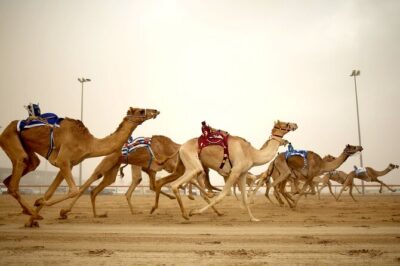
The final major stop is Al Shahaniya Camel Racetrack, reached after about 30 minutes in the 4×4. The visit lasts roughly 20 minutes and offers a look at camel racing, a long-established part of Qatari culture.
This can be the most unusual moment of the day. The sport is not simply a tourist display. It connects modern Qatar with older desert traditions, and the racecourse setting gives you a glimpse of an activity that is difficult to understand from Doha alone.
The stop is short, so the exact amount of racing action you see can depend on timing. The experience includes a visit and photo opportunity, but no specific race schedule is promised. I would enjoy it as a chance to learn about the tradition rather than book the tour solely for a guaranteed race.
Several people have especially liked the camel racetrack, and I can see why. After forts, ruins, and sculpture, it brings the country’s living culture into the day. It also gives the western section a lively finish before the drive back to Doha.
What the $108 price covers
At $108 per person, this tour is priced as a full-day sightseeing package rather than a single attraction visit. You receive hotel pickup and drop-off in Doha, an English-speaking guide and driver, an air-conditioned 4×4, bottled water, and karak tea.
The value comes from the distance covered. Al Khor, Purple Island, Zubara, Zekreet, and Al Shahaniya are spread across different parts of Qatar. Arranging all of this independently would require transport, route planning, and a clear sense of opening arrangements and site locations. Here, you can focus on the views and explanations.
Meals are not included. Since the day lasts seven hours and the schedule has several transfers, plan ahead rather than assuming food will be supplied. The supplied details do not specify a meal stop, so confirm the day’s arrangements if eating at a particular time matters to you.
The small group, limited to 12, also improves the value compared with a large coach. You get a better chance to hear the guide and ask questions. It is still worth remembering that small group does not mean private, and pickup times may vary by hotel.
Who will enjoy this route most
I would choose this tour if you want a broad introduction to Qatar beyond Doha in one day. It suits first-time visitors, people with limited time, and anyone who prefers a guide to handle the driving between widely scattered places.
It is also a good fit if you enjoy variety. You get water, mangroves, a fort, village ruins, unusual geology, modern sculpture, and camel racing. Few single outings offer such a wide spread of subjects.
You may want a different plan if you prefer long visits at one or two sites. Purple Island, the ruins, and the camel racetrack receive short stops, while much of the day takes place in the vehicle. The route is about seeing the north and west as a connected story, not studying every location in detail.
Wheelchair access is listed as available, but the tour includes walks at Purple Island and the Serra installation, as well as outdoor stops at rock formations and ruins. Ask the provider for practical details about surfaces and vehicle access before booking if you need specific assistance.
Booking advice and final verdict
Book this tour if you want Qatar’s wider setting, not just its capital. The combination of Zubara Fort, Richard Serra’s giant steel work, and the camel racetrack gives the day real character, while Al Khor and Purple Island add coastal variety.
I would be less keen if your priority is a relaxed schedule or a dedicated museum day. The pace is brisk, and the seven hours include many road transfers. Still, at $108 with transport, a guide, water, karak tea, and hotel return included, it offers a practical way to cover ground that is awkward to reach alone.
Free cancellation is available up to 24 hours before departure, and you can reserve now and pay later. Those terms help if your Qatar plans are still shifting. For a broad, informative day outside Doha, this is a sensible choice, especially if you ask for an engaging guide and arrive ready for sun, desert roads, and several short walks.
FAQ
How long does the tour last?
The experience lasts seven hours, including travel between Doha, northern Qatar, western Qatar, and the return to Doha.
Where does the tour start?
Pickup is provided in Doha, with hotel pickup and drop-off included.
What places does the tour visit?
The route includes Al Khor Harbour, Purple Island, Zubara Fort, Zekreet rock formations, Zekreet Village, Zekreet Fort Ruins, Richard Serra’s East-West/West-East installation, and Al Shahaniya Camel Racetrack.
Is Zubara Fort a UNESCO site?
Yes. Zubara Fort is described as a UNESCO World Heritage site and is connected with Qatar’s earlier trading history.
Is transportation included?
Yes. Transportation is provided in an air-conditioned 4×4 with an English-speaking guide and driver.
Is the tour private?
No. It is a small-group tour limited to 12 participants.
Is food included?
No. Meals are not included. Bottled drinking water and traditional karak tea are included.
Is the tour offered in English?
Yes. The live guide language is English.
Is the tour wheelchair accessible?
Yes, the activity is listed as wheelchair accessible.
Can I cancel for a refund?
You can cancel up to 24 hours in advance for a full refund.
Can I pay later?
Yes. The reserve-now, pay-later option lets you book without paying at the time of reservation.
Just added in Doha
- Doha: Night Desert Safari With Stargazing and Inland Sea★ 5.0 · 9 reviews
- From Doha: Private West Coast and Camel Race Track Tour★ 4.7 · 4 reviews
- Doha-Private half day safari Sunrise/Sunset★ 5.0 · 6 reviews
- Private Wakesurfing or Wakeboarding along Doha’s skyline★ 5.0 · 3 reviews
- Doha: West Coast Tour Sculpture,Camel Racing Track Rock Formation★ 5.0 · 3 reviews
- Doha : West Coast Tour on Zekreet Peninsula★ 5.0 · 15 reviews
- Private Dunes Bashing | Desert Safari | Sand Boarding★ 5.0 · 5 reviews
- Doha; Sunrise Desert Tour and camel safari 4hrs★ 5.0 · 15 reviews
West Coast Tours, compared.
Qatar West Coast tour to Richard Serra Sculpture and Mushroom Rock Formation
Read our review →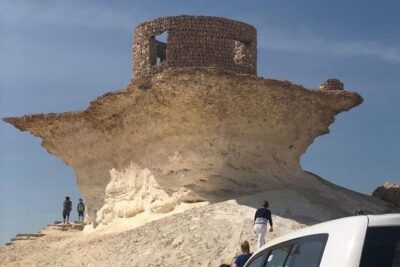
Qatar West Coast tour, Zekreet, Richard Serra Sculpture, Mushroom Rock Formation
Read our review →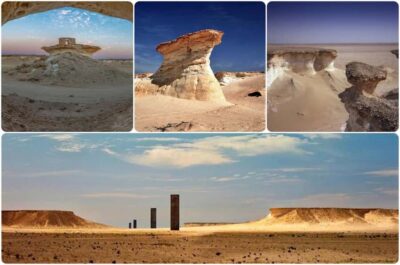
West Qatar tour to Richard Sierra sculpture,Umbrella Rock
Read our review →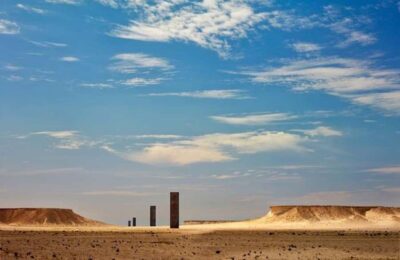
West Coast Qatar Tour, Sculptures, Camel Racing track
Read our review →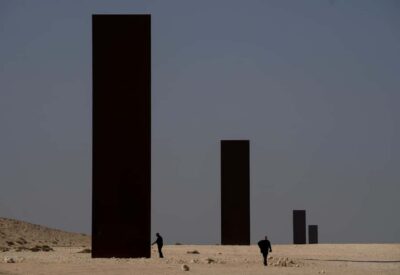
West Coast tour, Zekreet, Richard Serra Sculpture, Mushroom Rock Formation
Read our review →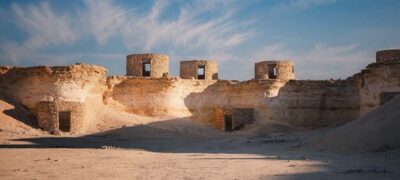
Explore Zekreet: Richard Serra Art & Mushroom Rock Wonders
Read our review →Browse the lists this tour appears in