
Reviewed · NORTH QATAR TOURS
Doha-Qatar North Tour, Zubara Fort, Mangroves, purple island
Northern Qatar gives you a side of the country that the glass towers of Doha cannot show. This private tour follows the old coast, where pearls, fishing, and small villages shaped daily life long before gas changed Qatar. You visit Al Khor harbor, the Al Thakira mangroves, Purple Island, Zubara Fort, and the abandoned village of Al Jumail in one half-day outing.
I like two things here. First, the route joins nature and history without making you choose between them. Second, the private SUV and guide make the day easy, especially when you want photo stops or need explanations in English, Arabic, or Hindi. The main drawback is pace: with several far-flung stops packed into about four and a half hours, some visits may feel shorter than expected.
Key points to know before booking
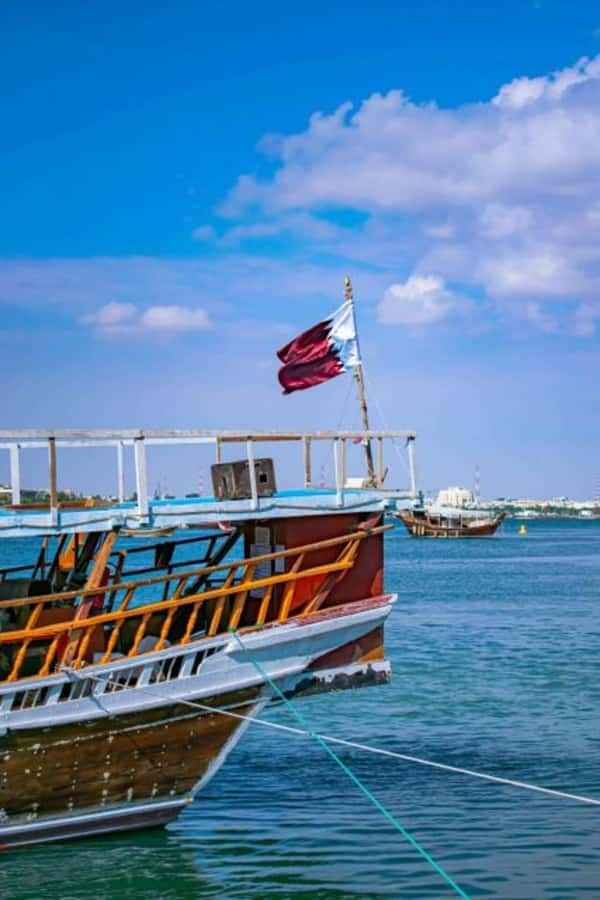
- Al Khor harbor connects old Qatar to the present: See traditional dhow boats alongside modern craft at a waterfront once tied to pearl gathering and fishing.
- Al Thakira is the nature stop: This large mangrove forest offers a quiet contrast to the desert and city.
- Purple Island adds history and open space: The island is linked with Qatar’s old dye production and offers a peaceful setting beside the mangroves.
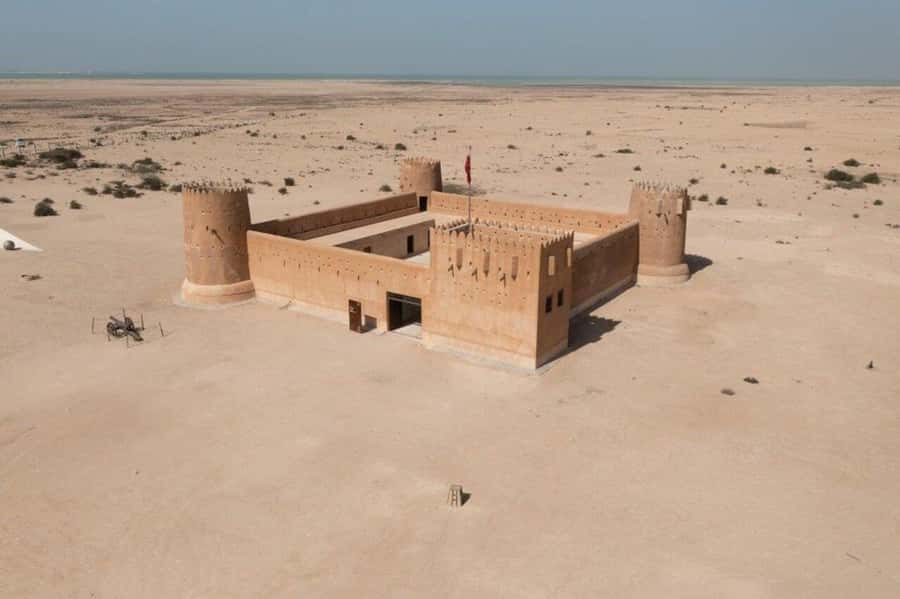
- Zubara Fort gives the tour its main historical focus: The fort and nearby archaeological area explain how the northern coast developed.
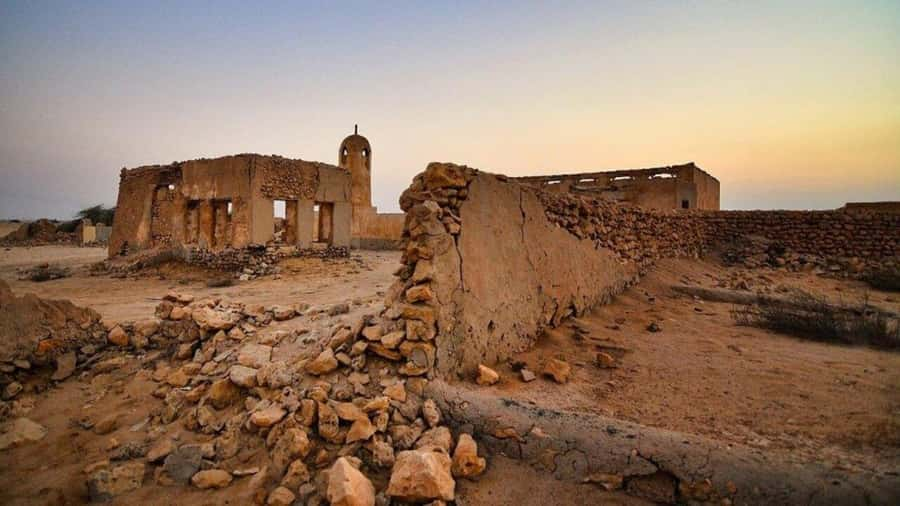
- Al Jumail feels personal and atmospheric: The abandoned village lets you picture an earlier fishing community through its remaining structures.
- Private transport keeps the route simple: Doha pickup, a new SUV, refreshments, onboard Wi-Fi, and a certified guide are included.
Why northern Qatar is worth your time
Doha is the obvious base for a Qatar visit, but it can also give you a narrow view of the country. You see modern roads, towers, museums, malls, and carefully planned waterfronts. North of the capital, the story becomes quieter and more grounded in the sea.
This tour follows the old sources of income that supported coastal communities. Al Khor grew around fishing and pearl gathering. Villages such as Al Jumail depended on the coast. Zubara became an important trading center, and its fort now gives you a clear entry point into that earlier period.
I like the way the route mixes several kinds of stops. You are not spending four and a half hours looking at ruins, and you are not simply driving from one photo stop to another. The harbor shows working coastal life, the mangroves bring in birds and plant life, and the fort and village give the past a physical shape.
The tour costs $71 per person. That is a reasonable price if you value a private vehicle and personal guide rather than a large shared coach. Your fee includes pickup and drop-off across Doha, insurance, refreshments, Wi-Fi, and the SUV. Food is not included, and alcohol is not part of the experience.
More mangrove and Purple Island trips from Doha:
- North Qatar Half-Day Tour: Al Zubarah, Purple Island & Mangroves
★ 5.0 · 337 reviews - North Qatar Tour | Zubara Fort | Purple Island | Mangros Colony
★ 5.0 · 323 reviews - Doha North Qatar Tour Zubara Fort, Mangroves, Jumail Village
★ 4.9 · 267 reviews
Starting in Doha with a private SUV
Pickup is available throughout Doha, and the drive north takes about 35 minutes before the first main stop. That transfer matters because the sites are spread out. A private SUV is more useful here than a standard city tour vehicle, especially if you are traveling with family or want a flexible pace.
You need to provide a phone number or WhatsApp number so the operator can coordinate pickup. Bring a passport or identity card, with a copy accepted. The tour is wheelchair accessible, although you may want to discuss your exact mobility needs in advance because the route includes outdoor historic areas and natural sites.
The vehicle includes Wi-Fi and refreshments, which are small touches but welcome on a long northern drive. You also get a live guide in Arabic, English, or Hindi. Previous guide names include Ali, Arum, Muzzi, Bashaar, Huzaifa, Anwar, and Muhammad, but your assigned guide will depend on availability.
Al Khor harbor and Qatar’s coastal past
Al Khor is the first major stop, with about 35 minutes set aside for a guided visit. The harbor was important during the period when fishing and pearl gathering were central to life in Qatar. It remains a working waterfront rather than a frozen museum display.
The best detail here is the mix of old and new. Traditional dhow boats recall the wooden vessels used by Qatari coastal communities, while modern boats show that Al Khor still has a practical relationship with the sea. You get a quick sense of how older livelihoods fit into the present.
I would pay attention to the guide here. A good explanation can turn a harbor into a useful lesson about work, trade, and settlement. Several guides, including Ali, Arum, and Bashaar, have been praised for explaining landmarks along the road and answering questions in a patient way.
This is not the longest stop, so do not expect a full museum visit or a detailed boat tour. Think of Al Khor as an introduction to the northern coast. It gives the rest of the day a human context before you move toward mangroves and archaeological sites.
Al Thakira mangroves: Qatar beyond sand and towers
The Al Thakira mangrove forest is one of the largest in Qatar and sits near Purple Island. It is an important change of mood. Instead of bare ground and open roads, you get low coastal vegetation, shallow water, and a setting that may support birds and other animals.
The tour allows about 35 minutes with a guide. That is enough to look around, take photographs, and learn why mangroves matter, but it is not a long nature expedition. No boat trip or kayak outing is listed, so you should not book this expecting a water activity.
I like this stop because it corrects the easy assumption that Qatar is only desert. The mangroves show how water shapes the northern coast and create a calmer, more reflective pause between the harbor and the historic sites. If you enjoy natural settings and simple photographs, this may be one of the most rewarding parts of the route.
Conditions can affect how much you see. The supplied details do not promise specific wildlife, so treat animal sightings as a possibility rather than a feature you are guaranteed. Comfortable clothing, sun protection, and sensible footwear will help, even though the tour does not provide a formal packing list beyond an ID document.
More north coast days out of Doha:
- Full Day Tour to Qatar North And West With Pickup From Doha
★ 4.9 · 371 reviews - Full Day Tour to Qatar North And West With Pickup From Doha
★ 5.0 · 288 reviews - Full-Day Tour Qatar North And West
★ 5.0 · 160 reviews - North of Qatar Tour to Olafur Eliasson Zubara Fort Jumail Village
★ 5.0 · 157 reviews
Purple Island and the old dye trade
Purple Island is close to the mangroves and receives its own guided visit of about 35 minutes. Its name is connected with the production of purple dye in the area, giving the stop both a natural and historical angle.
This is a good place to slow down mentally. After the drive from Doha and the harbor visit, the island offers open views and a quieter setting. One guide, Huzaifa, has explained the island’s plant life, animal life, and connection to dye production in a way that helps visitors understand why this otherwise modest-looking place mattered.
Do not expect a developed resort or a long list of facilities. The attraction is the setting and the story. You are there to look carefully, listen, and take in the coastal environment. If you prefer packed sightseeing with interiors, displays, and air conditioning, this may feel spare.
The pairing of Purple Island and Al Thakira is one of the tour’s strongest choices. Together they show a coastal Qatar that is easy to miss when your plans stay inside Doha.
Zubara Fort and the UNESCO archaeological area
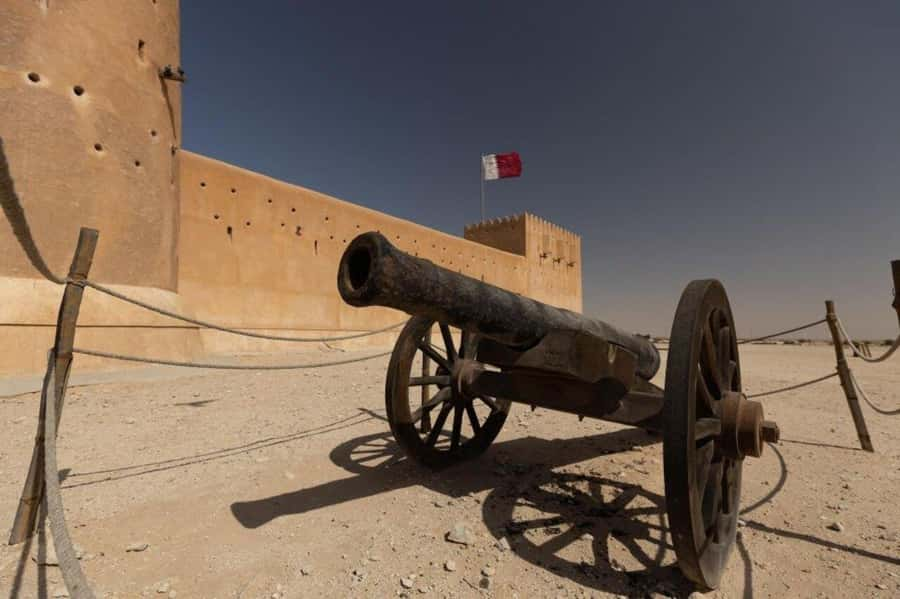
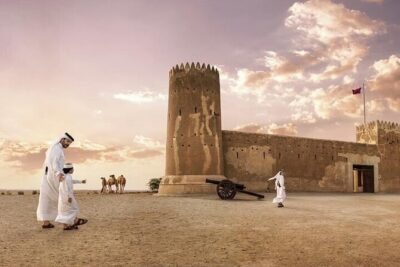
Zubara Fort is the main historical stop and receives about 65 minutes, longer than any other listed site. The fort has the square, sturdy appearance associated with old Arab defensive buildings, and its position helps explain the importance of the northern coast.
The wider Al Zubara archaeological area is a UNESCO World Heritage site. The fort is not simply a scenic building for photographs. It helps you understand the settlement and trade activity that once took place in this part of Qatar, while the surrounding remains give the story a wider setting.
This is where a guide can make the greatest difference. Huzaifa has been praised for explaining archaeological findings and the fort’s role in regional trade. Ali has also been praised for bringing the site’s past to life with clear stories. Those details matter because a fort can otherwise become a quick walk around thick walls.
You will have time to look at the architecture, hear about the site, and take photographs, but this is still part of a multi-stop tour. If Al Zubara is your main reason for going north, you may prefer a longer dedicated visit. If you want a broad introduction to northern Qatar, the 65-minute stop offers a useful balance.
The desert around the fort also gives you wide views and a strong sense of distance from Doha. The site is most rewarding when you take a few minutes to notice how exposed the settlement was and why a defensive structure mattered.
Al Jumail, a village left behind

The final major stop is Al Jumail, an abandoned traditional village associated with the Zubara area. You spend about 35 minutes here, walking among the remains and considering the people who once lived from the nearby coast.
Al Jumail is not polished in the way a restored heritage site can be. That is exactly why it works. The incomplete walls and quiet setting leave room for your imagination. You can picture a fishing village without being distracted by modern displays or rebuilt facades.
The site can feel more emotional than the fort because it focuses on ordinary life. Zubara explains trade and regional importance. Al Jumail suggests homes, families, work, and departure. A guide’s storytelling helps connect those bare remains to the village’s former purpose.
You should also keep your expectations realistic. There is no promise of extensive interpretation, food service, or a long walking route. The appeal is the atmosphere and the chance to see a less formal part of Qatar’s cultural past.
Guides, timing, and the private-tour advantage
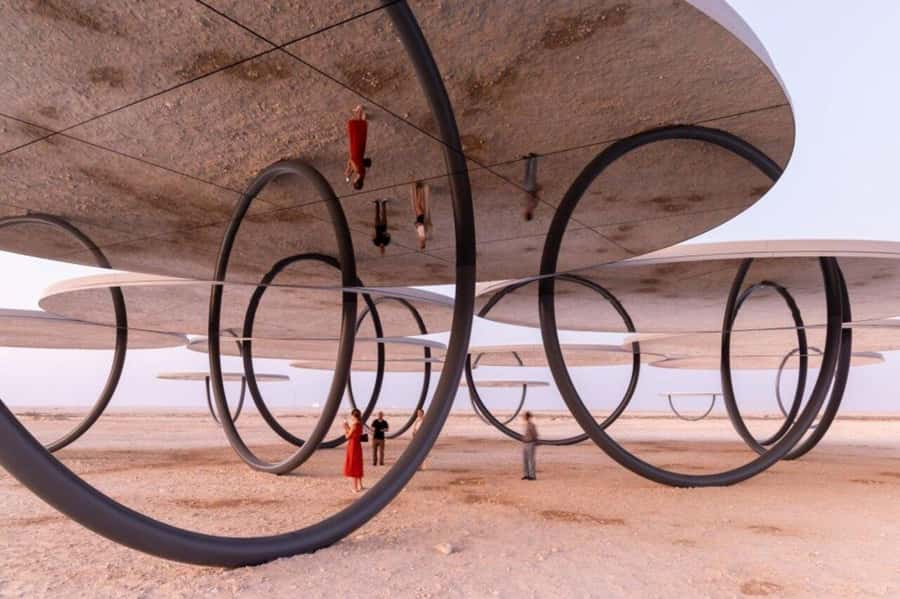
The strongest repeated quality of this experience is the guide service. Guides named Ali, Arum, Muzzi, Bashaar, Huzaifa, Anwar, and Muhammad have been described as friendly, patient, clear, and willing to answer questions. One guide adjusted pickup to a different location, another helped with photographs during an Eid holiday, and another added an unscheduled stop at the Eliasson sculpture when requested.
That does not mean every booking will have the same guide or the same flexibility. It does show what the private format can offer. You can ask questions, request a photo pause, and set a comfortable rhythm more easily than in a large group.
At the same time, do not assume every extra stop is included. The sculpture visit was an added request, not a standard part of the route. The core experience is the northern circuit of Al Khor, Al Thakira, Purple Island, Zubara, and Al Jumail.
The official duration is 270 minutes, or four and a half hours. The route includes roughly 35 minutes of driving each way, so a meaningful part of the outing takes place from your seat. That is not wasted time: the road links separate parts of northern Qatar and the guide may explain landmarks along the way. Still, some stops may feel brief, especially if you want long walks or detailed photography.
What to wear and bring
Bring your passport or ID card. A copy is accepted, and you should have the document available during the tour.
Modest clothing is a sensible choice. One visitor specifically advised dressing modestly in case the route includes a snack or drink stop, and this is also respectful when visiting historic places and local areas. Bring sun protection and comfortable clothes for outdoor stops, although only the identification requirement is formally specified.
Food is not included, so eat before pickup or plan around the tour. Refreshments are included, but they are not a substitute for a meal. Alcohol is not included.
Who will enjoy this tour most
I would recommend this outing to first-time visitors who want more than Doha’s modern attractions. It is also a good fit for families because the route changes scenery often, and the private guide can explain the sites at a level that works for both adults and children.
History fans will appreciate the extra time at Zubara Fort and the contrast with Al Jumail. Nature lovers will prefer the mangroves and Purple Island, though this is a short guided visit rather than a full wildlife outing.
The tour also suits visitors with limited time. In one half-day, you get a broad look at coastal work, natural habitats, old settlements, and Qatar’s archaeological past. I would not choose it if you want a slow, detailed study of one site, a boat excursion, or a meal-centered day.
Free cancellation is available up to 24 hours before departure, and you can reserve now and pay later. Those terms make it easier to fit the outing around a changing Doha schedule.
Should you book this northern Qatar tour?
Book it if you want a private, well-rounded introduction to northern Qatar and value a guide who can connect scattered places into one story. The combination of Al Khor harbor, mangroves, Purple Island, Zubara Fort, and Al Jumail gives you a much broader picture than a single historic stop.
At $71 per person, the value is strongest for couples, families, or small private groups who want door-to-door transport and a guide in their preferred language. Skip it if you need long, unhurried visits, a full meal, or an active water experience.
My practical advice is to book with realistic timing in mind. Treat the day as a sharp overview of northern Qatar, not an exhaustive archaeological tour. Ask about your pickup details in advance, wear modest outdoor clothing, and use the drive time to ask questions. Done that way, this is an easy and worthwhile way to see the country’s older coastal character.
FAQ
How long does the tour last?
The tour lasts 270 minutes, or four and a half hours, including transportation from Doha and the return drive.
Where does pickup take place?
Pickup and drop-off are available throughout Doha. You should provide a phone number or WhatsApp number so the operator can coordinate with you.
What languages are available?
The live guide can speak Arabic, English, or Hindi.
Is the tour private?
Yes. The experience is arranged as a private group tour with a private SUV.
Is the tour wheelchair accessible?
Yes, the activity is listed as wheelchair accessible.
What is included in the price?
The price includes Doha pickup and drop-off, a certified guide, insurance, a private newly made SUV, refreshments, and Wi-Fi onboard.
Is food included?
No. Food is not included, and alcohol is not included.
Just added in Doha
- Doha: Night Desert Safari With Stargazing and Inland Sea★ 5.0 · 9 reviews
- From Doha: Private West Coast and Camel Race Track Tour★ 4.7 · 4 reviews
- Doha-Private half day safari Sunrise/Sunset★ 5.0 · 6 reviews
- Private Wakesurfing or Wakeboarding along Doha’s skyline★ 5.0 · 3 reviews
- Doha : West Coast Tour on Zekreet Peninsula★ 5.0 · 15 reviews
- Private Dunes Bashing | Desert Safari | Sand Boarding★ 5.0 · 5 reviews
- Doha: West Coast Tour Sculpture,Camel Racing Track Rock Formation★ 5.0 · 3 reviews
- Doha Night Desert Safari Adventure★ 5.0 · 11 reviews
North Qatar Tours, compared.
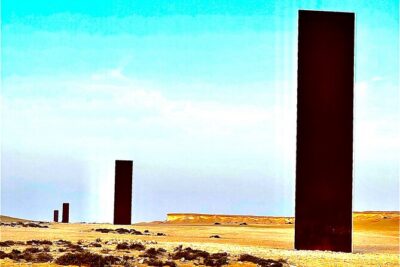
Full Day Tour to Qatar North And West With Pickup From Doha
Read our review →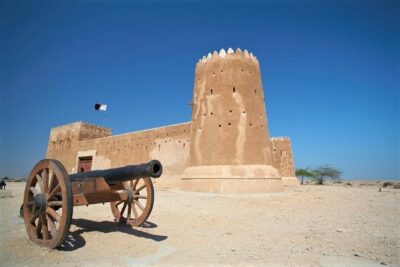
North Qatar Half-Day Tour: Al Zubarah, Purple Island & Mangroves
Read our review →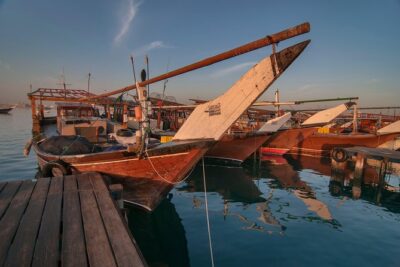
North Qatar Tour | Zubara Fort | Purple Island | Mangros Colony
Read our review →Full Day Tour to Qatar North And West With Pickup From Doha
Read our review →
Doha North Qatar Tour Zubara Fort, Mangroves, Jumail Village
Read our review →
North of Qatar Tour to Olafur Eliasson Zubara Fort Jumail Village
Read our review →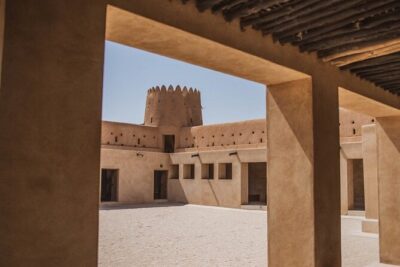
North of Qatar Tour, Zubara Fort, Mangroves, Jumail Village
Read our review →Browse the lists this tour appears in